

Fake designer sneakersTitle for an article on why the state does not ban Putian shoes: "Why the State Maintains Putian Shoes: An Examination of Reasons and Context"
Fake designer sneakersTitle for an article on why the state does not ban Putian shoes: "Why the State Maintains Putian Shoes: An Examination of Reasons and Context",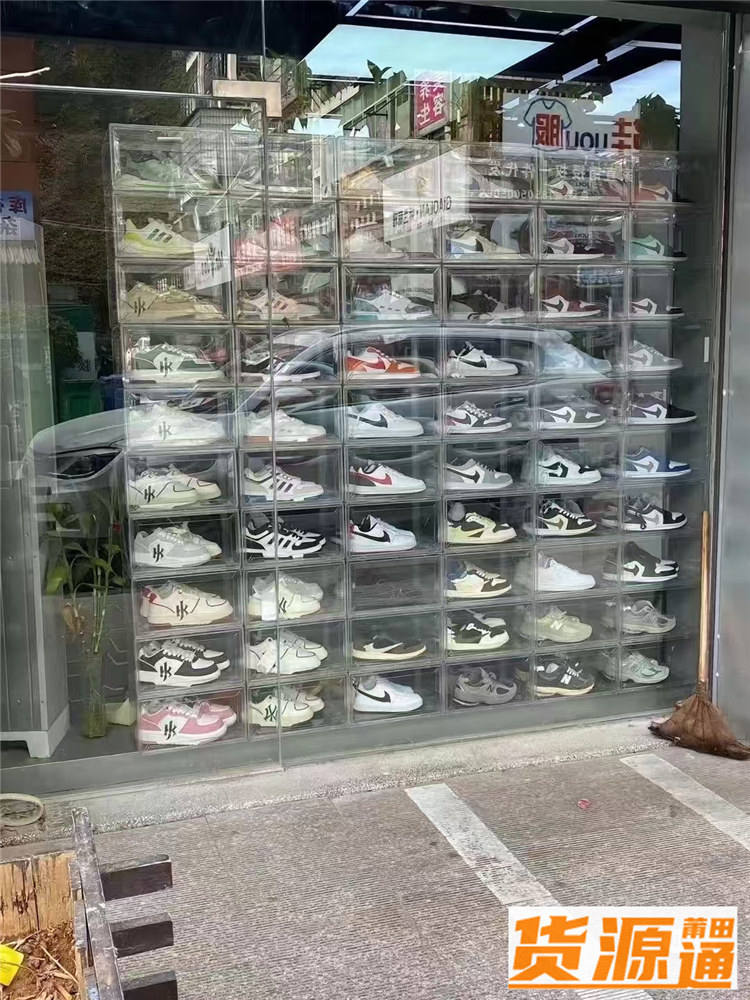
Why the State Does Not Ban Putian Shoes: An Examination of the Complexities
In the realm of manufacturing and trade, the phenomenon of "Putian shoes" has become a subject of widespread discussion. Putian shoes, originating from the Putian region of China, are often associated with low-cost and oftentimes low-quality footwear that are prevalent in the market. Despite this, the state has not chosen to ban their production or sale. This decision is not simple and requires an examination of several factors.
Economic Development and Employment Considerations
Firstly, the existence of Putian shoes contributes significantly to local economic development and employment generation. The production of these shoes provides a source of income for numerous individuals in the Putian region, contributing to local economic growth and poverty reduction. The potential impact on these individuals' livelihoods must be considered when evaluating any policy change.
Moreover, the footwear industry, including Putian shoes, provides employment opportunities across various sectors, such as manufacturing, sales, and distribution. A ban on Putian shoes could potentially affect these sectors and result in job losses, which would have a negative impact on the overall economy.
Market Diversity and Consumer Choice
Secondly, the existence of Putian shoes serves to provide market diversity and consumer choice. While these shoes may not meet the same quality standards as other higher-end footwear, they cater to a specific consumer group seeking low-cost options.
Banning Putian shoes could potentially limit consumer choice in the market and result in a monopoly of high-end or expensive footwear. This would not only affect consumers' ability to make informed choices but also potentially lead to higher prices due to reduced competition.
Quality Improvement and Regulatory Measures
Instead of a ban, the state has chosen to promote quality improvement and regulate the industry. This approach aims to encourage manufacturers to improve their quality standards while still allowing them to operate in the market.
Regulations such as safety standards and consumer protection measures are put in place to ensure that consumers are not harmed by poor-quality products. By focusing on quality improvement and regulation, the state can strike a balance between supporting local industry and protecting consumers' interests.
Conclusion
In conclusion, the state's decision not to ban Putian shoes reflects a consideration of multiple factors, including economic development, employment generation, market diversity, consumer choice, and quality improvement. The approach taken by the state aims to strike a balance between supporting local industries and protecting consumers' interests.
Instead of a ban, the focus should be on promoting quality improvement within the industry and strengthening regulatory measures to ensure consumer safety. This approach not only takes into account the livelihoods of individuals but also promotes competition in the market and enables consumers to make informed choices.
- Fake designer shoes"Affordable yet Stylish Putian Shoe Brands"
- Fake BalenciagaFly Tide Sneakers Shop - Putian Store Address (请注意该标题并没有实际的地址信息,实际的地址可能需要根据具体情况查询获得。)
- "UA" (Unauthorized Authentic)Why Are Putian Shoes Shipped from Henan?
- Replica hype shoesWhere to Buy High-Quality Putian Panda Shoes.
- Retro sneakersPumian Men's Shoes: Affordable Student Shoe Shopping Destination
- Knockoff sneakersHow to Choose Quality Shoes from Pinduoduo Putian Shoes Collection?
- Fake sneakersWhere to Buy Fake Shoes in Putian, Fujian
- Retro shoes
